Every local business has the same story somewhere in it: great work, loyal customers, and a website that does not do it justice. The business we are about to describe was exactly that, until the numbers forced a change. Here is how the transformation happened, step by step, and what it taught us about building websites that actually work for South African businesses.
The client
A well-established home services company in Gauteng. Fifteen years in business, a strong reputation, and a customer base built almost entirely on referrals. They had a website, of sorts: a single page built years ago, with an out-of-date phone number, no services detail, and no way for customers to reach them except a contact form that nobody checked.
Their owner put it bluntly in the first meeting: "We get the work we get, and we lose the work we never hear about."
The problem we found
We started with a full audit, and the picture was clear:
- The site was invisible on Google for every service keyword that mattered in their area.
- It took over six seconds to load on a phone, the exact device most of their customers used.
- There was no clear path from landing on the page to making an enquiry.
- No tracking, so they had no idea how many people visited or what they did.
- Their competitors' websites were not great either, which meant the opportunity was wide open.
The most important finding was this: customers in their industry search locally, compare two or three options, and contact the business that looks most professional. Every week they were losing jobs to businesses with worse reputations but better websites.
The strategy
We agreed on three goals before writing a single line of code:
1. Rank for the service searches their customers actually use. 2. Convert visitors into enquiries on their phone, in under a minute. 3. Give the owner visibility into what was working.
Step one: a website built around their customer
We rebuilt the site around the questions customers ask before hiring a home services company: what do you do, are you licensed and insured, what does it cost, can you show me examples, and how fast can you start. Each of those questions became a section or a page, written in plain language.
The design was intentionally clean and confident: big typography, real photos of their work, and reviews displayed prominently. The goal was credibility within five seconds.
Step two: local search optimisation
This was a local business, so we optimised like one. We structured the site around their service areas and the exact phrases customers type, registered their Google Business Profile properly, and made sure every page told Google clearly who they were and where they worked.
Search engine optimisation is a long game, but the early signals were encouraging: within three months the site was ranking on the first page for their core services in their area. You can read more about how we approach this in our SEO services.
Step three: enquiries on autopilot
We replaced the dead contact form with a proper enquiry flow: a short form for detailed requests, and a prominent WhatsApp button for the customers who prefer to chat. In South Africa, WhatsApp is how customers actually reach businesses, so we made it one tap away on every screen.
Every enquiry now lands in their inbox with the customer's service request attached. No more missed messages, no more "we never saw it."
Step four: measurement from day one
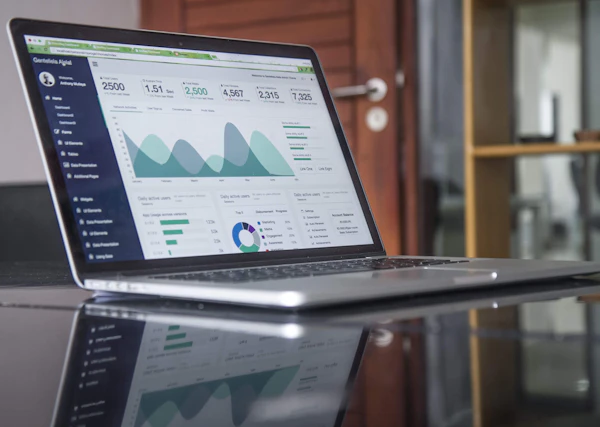
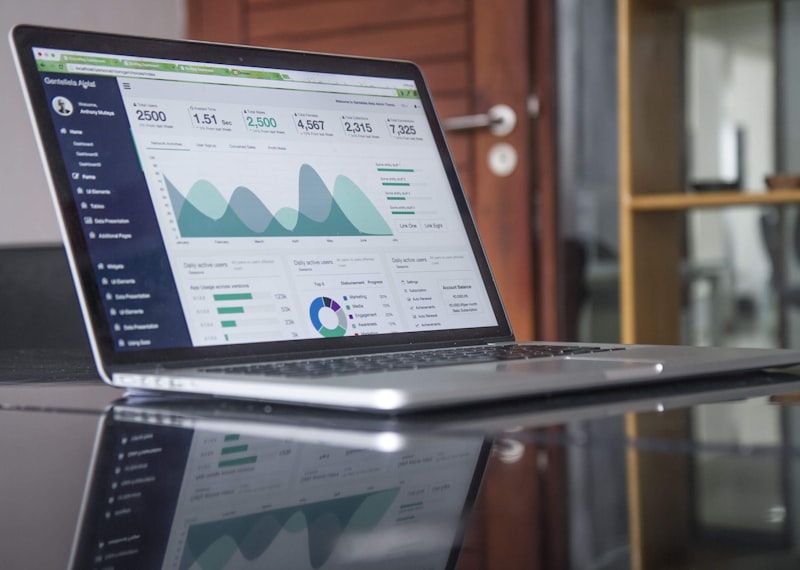
We installed simple, privacy-friendly analytics so the owner could see real numbers: how many people visited, which pages they read, and how many enquiries came in each week. Within a month they had more data about their customers than in the previous fifteen years combined.
The results
Six months after launch, the transformation was measurable:
- Website enquiries increased more than fourfold compared with the previous year.
- The business started appearing on the first page of Google for its core services.
- WhatsApp enquiries became their single biggest source of new leads.
- The owner stopped relying on referrals alone. For the first time, customers were finding them.
None of this required magic. It required a website that was fast, clear, trustworthy, and built around how real customers search and decide.
What we learned
Three lessons from this project apply to almost every local business:
**Your website is a salesperson, not a brochure.** It should answer the questions a customer asks before they phone, and make contacting you effortless.
**Local search is winnable.** You are not competing with the whole internet. You are competing with the three or four other businesses in your area who bothered to show up properly online.
**Measure everything.** If you do not know how many enquiries your website generates, you cannot improve it. Tracking is not vanity. It is how you turn a website into a business asset.
Could this be your story?
If this sounds familiar, the good news is that the playbook is repeatable. We have applied the same approach to businesses across industries, and you can see the kind of work we do in our portfolio.
The practical first step is simple: look at your website the way a customer would, and ask whether it deserves your business. If the answer is no, start a conversation. The first consultation is free, and you will leave with a clear picture of what is possible.
Frequently asked questions
How long does a website transformation like this take?
A typical project takes four to eight weeks from kickoff to launch, depending on how much content and how many pages are involved. The local SEO results build over the following months as Google crawls and ranks the new pages.
What makes a local business website convert?
Three things: it loads fast on a phone, it answers the customer's key questions clearly, and it makes contact effortless, usually a short form plus a WhatsApp button. Trust signals like reviews, licensing, and real photos of work are equally important.
Do I need to rank nationally to benefit?
No. For local businesses, ranking for "your service plus your town or suburb" is far more valuable than any national keyword, and it is much easier to achieve. We optimise for the searches that bring customers within driving distance.
How do I know if my website is losing me business?
Look at the numbers: how many visitors arrive, how many contact you, and what your competitors' websites look like by comparison. If you do not have tracking in place, that is the first thing to fix. You cannot improve what you cannot measure.